Can national parks across Africa attract institutional capital?
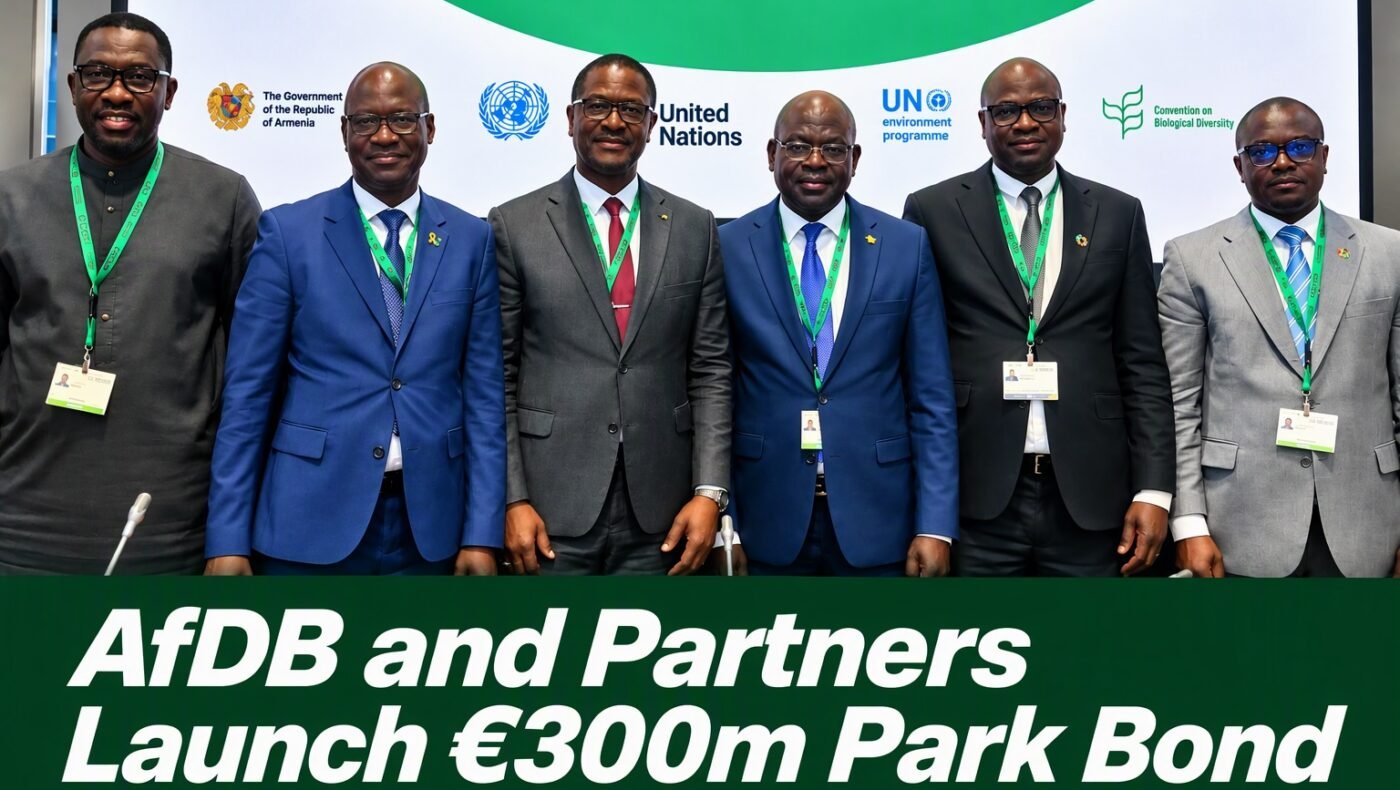
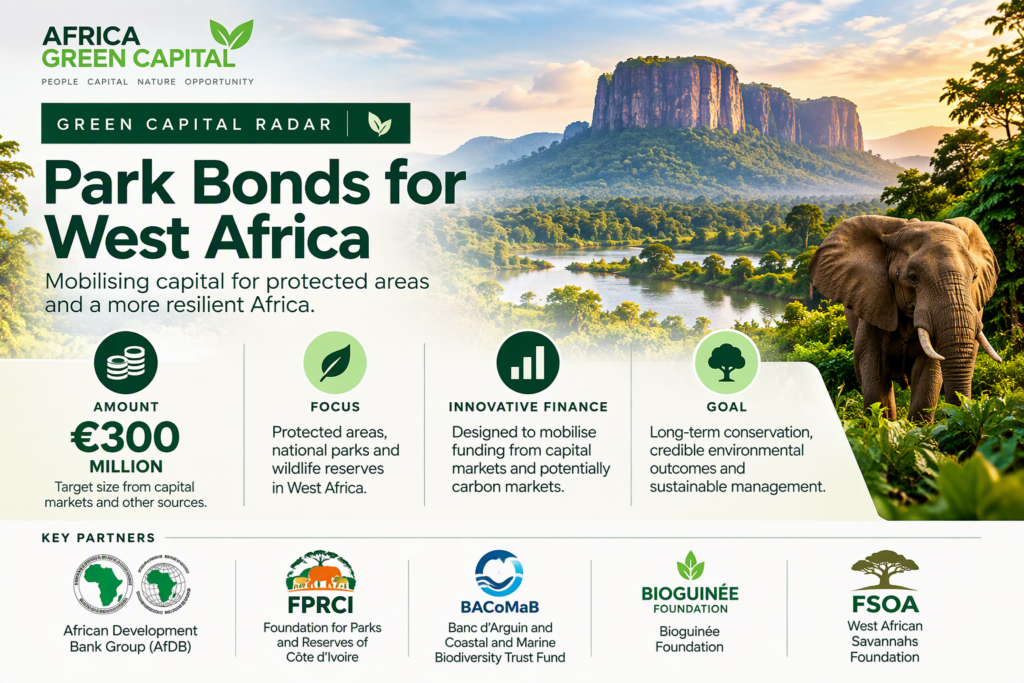
The African Development Bank Group and conservation partners are testing that idea with a new Park Bonds initiative targeting around €300 million for protected areas in West Africa. Launched at CBD COP17 Armenia, the proposed bond is designed to mobilise funding from capital markets and other sources, potentially including carbon markets, for the long-term conservation and management of national parks, wildlife reserves and other protected areas.
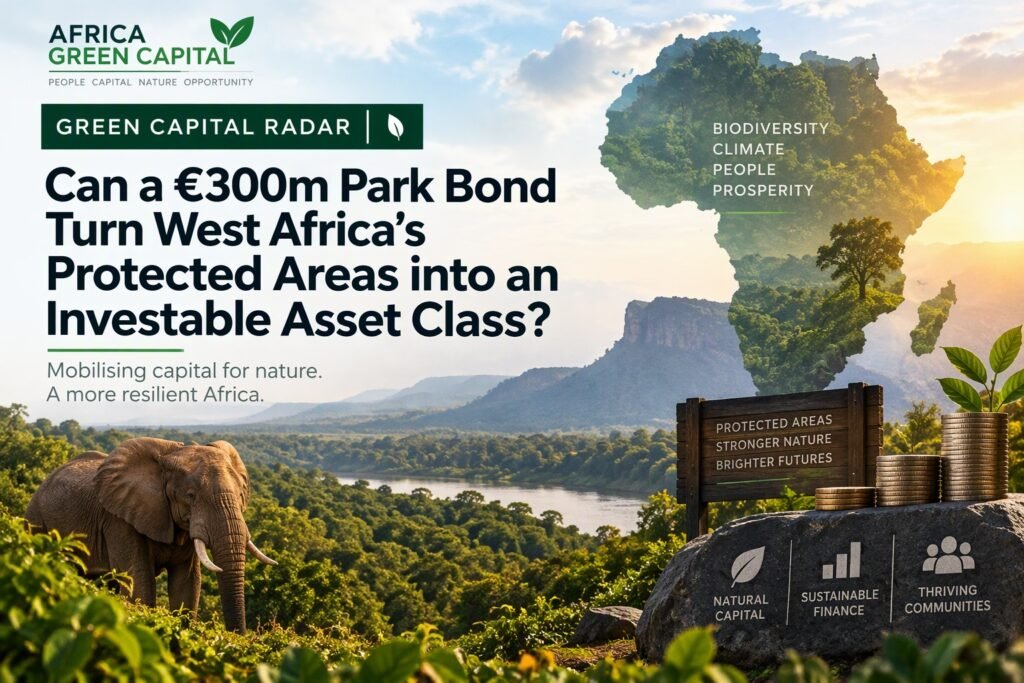
But the €300 million is a mobilisation target, not capital already raised. And that distinction points to the real investment question. For Park Bonds to become a viable asset class, conservation outcomes alone will not be enough. 𝙄𝙣𝙫𝙚𝙨𝙩𝙤𝙧𝙨 𝙬𝙞𝙡𝙡 𝙣𝙚𝙚𝙙 𝙘𝙡𝙖𝙧𝙞𝙩𝙮 𝙤𝙣 𝙩𝙝𝙚 𝙛𝙞𝙣𝙖𝙣𝙘𝙞𝙖𝙡 𝙢𝙤𝙙𝙚𝙡, 𝙧𝙚𝙥𝙖𝙮𝙢𝙚𝙣𝙩 𝙢𝙚𝙘𝙝𝙖𝙣𝙞𝙨𝙢𝙨, 𝙧𝙞𝙨𝙠 𝙖𝙡𝙡𝙤𝙘𝙖𝙩𝙞𝙤𝙣, 𝙚𝙣𝙫𝙞𝙧𝙤𝙣𝙢𝙚𝙣𝙩𝙖𝙡 𝙥𝙚𝙧𝙛𝙤𝙧𝙢𝙖𝙣𝙘𝙚 𝙖𝙣𝙙 𝙜𝙤𝙫𝙚𝙧𝙣𝙖𝙣𝙘𝙚.
A feasibility study supported by the AfDB concluded that the concept could become a credible biodiversity-finance instrument, provided it combines financial viability, verifiable environmental outcomes and sound governance. Côte d’Ivoire is central to the initiative, alongside the Foundation for Parks and Reserves of Côte d’Ivoire, Banc d’Arguin and Coastal and Marine Biodiversity Trust Fund (BACoMaB Trust Fund), the Bioguinée Foundation and the West African Savannahs Foundation (FSOA). For context, nearly 7% of Côte d’Ivoire’s territory is designated as protected areas.
There is also some precedent for this kind of bond. In 2022, the World Bank issued a $150 million wildlife conservation bond linked to rhino conservation in two South African national parks.
The bigger question now is whether West Africa can develop a structure capable of bringing biodiversity into mainstream investment portfolios without compromising conservation objectives or transferring excessive risk to governments and communities.
𝗚𝗿𝗲𝗲𝗻 𝗖𝗮𝗽𝗶𝘁𝗮𝗹 𝗥𝗮𝗱𝗮𝗿 will watch what comes next: the bond structure, investor participation, sources of repayment and whether the €300 million ambition translates into actual capital mobilisation.
Sectors: Forestry and Land Use, Nature and Biodiversity
Deal type: Green Bond