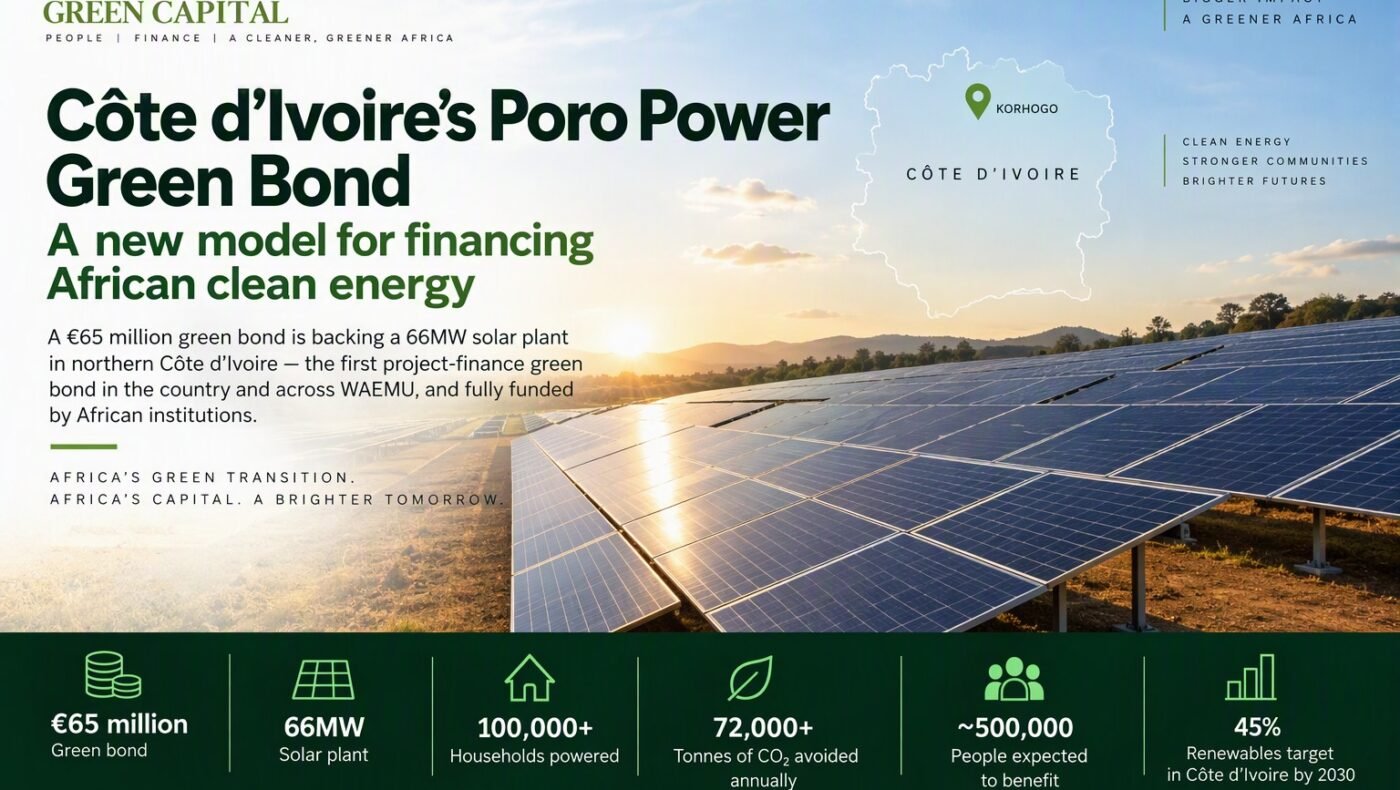
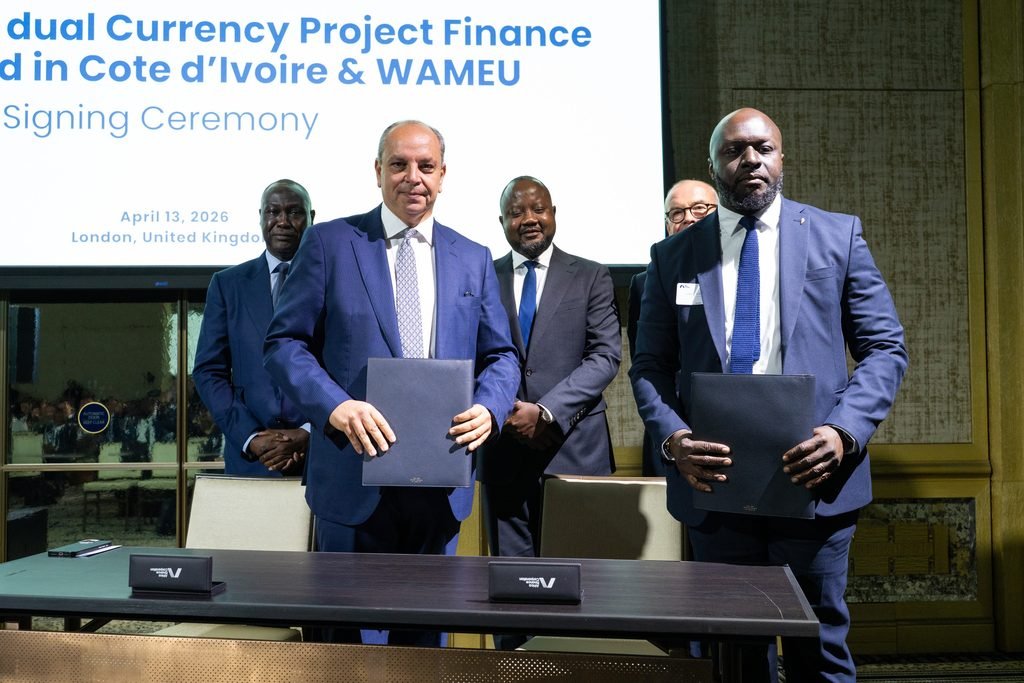
Structured in euros and CFA francs and financed by Africa Finance Corporation, the transaction is the first project-finance green bond in Côte d’Ivoire and the WAEMU region and, importantly, was fully funded by African institutions. The solar plant is expected to generate approximately 136GWh of electricity annually, provide power equivalent to the needs of more than 100,000 households, and avoid over 72,000 tonnes of CO₂ emissions each year.
But we think the bigger story is the financing model. If financing structures like Poro Power can be replicated, African institutional capital could play a much larger role in financing the continent’s renewable-energy transition.
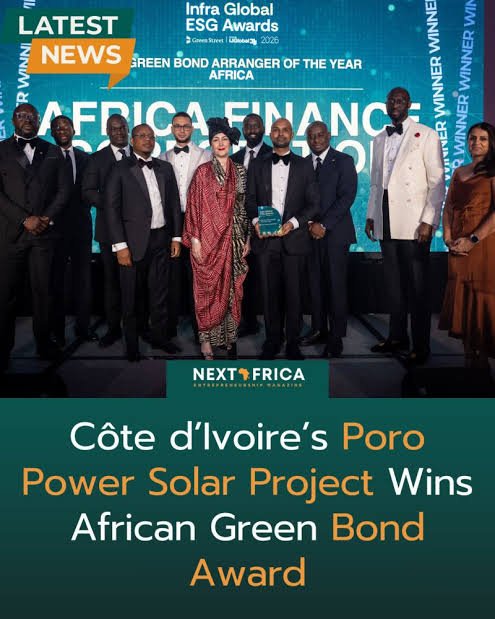
The transaction has also attracted international recognition. On 22 October 2026, AFC announced that Poro Power had won ESG Green Bond Deal of the Year for Africa at the Infra Global ESG Awards 2026 in London, while AFC received ESG Green Bond Arranger of the Year for Africa. That recognition provides an important contemporary dimension to a transaction originally announced in April.
The question now goes beyond how much green capital Africa needs, but how we can build the financing structures that connect African capital with bankable African projects. What would it take to make transactions like Poro Power more common?
Sectors: Power and Grid Infrastructure, Renewable Energy
Deal type: Green Bond, Private Equity